

full length wall mirror with lights
Understanding the Machinist Gauge Pin Set Essential Tools for Precision Engineering In the world of precision engineering, the machinist gauge pin set stands as a vital tool for professionals who strive for accuracy and reliability in their work. These small, cylindrical pins are designed to provide exact measurements, making them indispensable in a variety of applications, from machining to quality control in manufacturing processes. A machinist gauge pin set typically includes a range of pins with precise diameters, allowing machinists to check hole sizes, alignments, and tolerances with ease . The pins are often made from high-quality materials to ensure durability and longevity, as well as to maintain accuracy over time. Common materials include steel or carbide, which provide robustness and resistance to wear, an essential quality given the demanding environment in which these tools are often used. One of the primary uses of a gauge pin set is to measure the internal dimensions of holes. The pins can be inserted into drilled or machined holes to verify their diameter and ensure that they meet specified tolerances. This function is critical in industries such as automotive, aerospace, and manufacturing, where even minute discrepancies can lead to significant problems down the line. By using a range of pins, machinists can quickly and accurately determine whether a given hole is within acceptable limits. machinist gauge pin set Moreover, gauge pins serve another essential purpose they are used for alignment and setup. In situations where precise positioning is critical, such as in the setup of a CNC machine or the calibration of complex machinery, gauge pins can assist in achieving the correct alignment. By utilizing gauge pins, machinists can establish reference points and ensure that components are installed accurately, leading to better overall performance and reduced manufacturing errors. Another important aspect of machinist gauge pins is their role in quality assurance. The consistency and accuracy of manufactured components can be verified using these pins, helping to maintain high standards in production. By regularly checking tools and machines with gauge pins, companies can identify wear or drift in measurements early, allowing for timely adjustments before issues escalate. Furthermore, many machinist gauge pin sets feature a corresponding gauge or tolerance chart. This reference allows machinists to understand the specific tolerance levels for particular applications, further enhancing the precision of their work. With this information at their fingertips, machinists can make informed decisions about the appropriate pin to use in various scenarios, streamlining the measurement process. In summary, the machinist gauge pin set is an invaluable tool in the field of precision engineering. Its ability to measure, align, and verify makes it essential for professionals dedicated to maintaining high-quality standards in their work. As industries continue to demand greater accuracy and reliability, the role of machinist gauge pins will undoubtedly remain a cornerstone of precision machining and quality control. With the right set of gauge pins, machinists can ensure that their work meets the rigorous demands of modern manufacturing, ultimately contributing to better products and enhanced operational efficiency.
about
full length wall mirror with lights
How to Close the Water Valve A Step-by-Step Guide Understanding how to properly close a water valve is essential for every homeowner. Whether you're dealing with a plumbing emergency, performing maintenance on your plumbing system, or preparing for seasonal changes, knowing how to close the water valve correctly is crucial to prevent water damage and ensure safety. This article will provide a comprehensive step-by-step guide on how to close the water valve effectively. Step 1 Identify the Water Valve Before you can close a water valve, you need to know where it is located. Most homes have several water valves, including 1. Main Water Valve This valve is typically located near where the water line enters your home, such as in the basement, crawl space, or outside near the foundation. 2. Individual Fixture Valves These valves can be found under sinks, behind toilets, or near appliances that use water, such as dishwashers and washing machines. 3. Outdoor Valves These are used to control water flow to outdoor hoses or irrigation systems. Once you’ve located the appropriate valve, ensure you have the right tools, if necessary. For most valves, you will simply need your hands, but occasionally, a wrench or pliers might be required. Step 2 Understand the Valve Type Water valves come in different types, such as gate valves, ball valves, and compression valves. - Gate Valves Usually rounded, these valves require you to turn the handle multiple times to close fully. - Ball Valves These generally have a lever handle that you can turn a quarter-turn (90 degrees) to close or open. - Compression Valves Commonly found under sinks, these require you to turn the handle clockwise to close. Knowing the type of valve will help you understand how to operate it effectively. Step 3 Prepare to Turn Off the Valve Before you begin turning off the valve, it’s essential to prepare 1. Clear the Area Make sure the area around the valve is free of obstacles. This will ensure you have enough space to maneuver and inspect for any leaks after closing the valve. how to close the water valve 2. Position a Container If the valve is under a sink or in a location where water could leak, place a bucket or container underneath to catch any residual water that may spill. Step 4 Close the Valve Now that you’re ready, proceed to close the valve - For Gate Valves Turn the handle clockwise until it is fully closed. You may need to turn it multiple times, depending on the valve size. - For Ball Valves Simply turn the lever 90 degrees until it is perpendicular to the pipe. In this position, the valve is closed. - For Compression Valves Turn the handle clockwise until it stops. Be careful not to overtighten, as this can damage the valve. Step 5 Check for Leaks After closing the valve, it’s crucial to check for any leaks. Turn on the faucet connected to the closed valve and observe 1. No Water Flow If there’s no water coming out, the valve has effectively closed. 2. Leaks If you notice any leaks around the valve, especially if it’s an older valve, it might indicate that the valve is worn out and may need to be replaced. Step 6 Document and Maintain Keep a record of the valves in your home and routinely check their condition. Proper maintenance can prolong the life of your plumbing system and prevent potential issues. Conclusion Closing a water valve is a straightforward yet essential task for any homeowner. By understanding the types of valves, knowing their locations, and following the steps outlined above, you can effectively manage your plumbing system. Whether you are responding to a leak, preparing for cold weather, or completing routine maintenance, mastering the art of closing water valves ensures your home remains safe and dry. Remember to remain proactive about your plumbing needs, and don't hesitate to call a professional if you're uncertain about any aspect of valve operation or maintenance.
-

High quality industrial productsagement

High quality industrial products
View Details -

Meet the diverse needs of customers

Meet the diverse needs of customers
View Details -

Strict quality control

Strict quality control
View Details -

Top raw materials

Top raw materials
View Details -

Trusted supplier

Trusted supplier
View Details
Our application
news and information

which way to turn water valve off
Understanding Which Way to Turn Water Valves Off A Comprehensive Guide Water valves are essential co
Versatile Welding Table for On-the-Go Fabrication and Efficient Workspace Solutions
The Versatility and Importance of Portable Welding Tables In the world of welding, precision and con
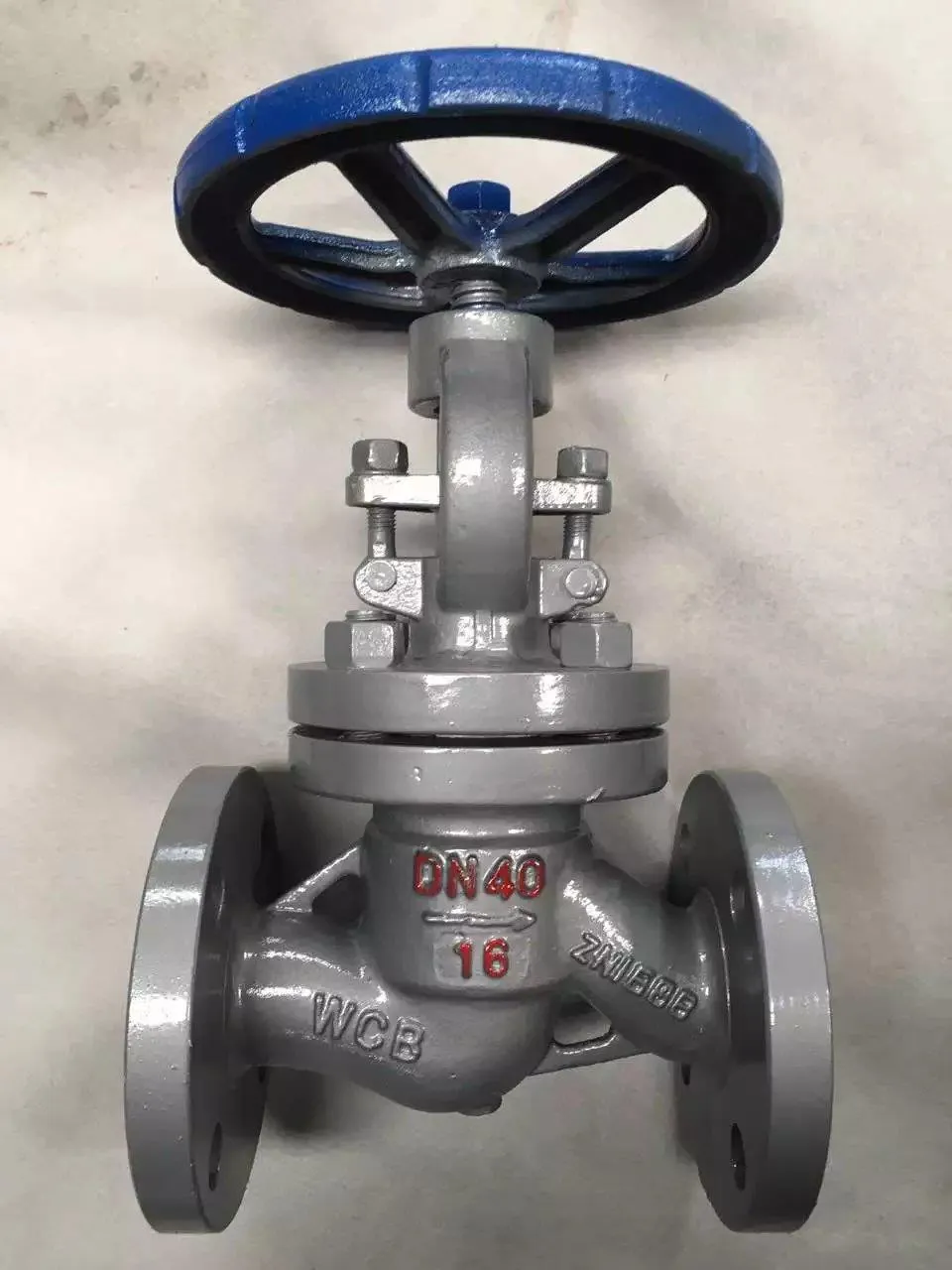
Y Shaped Strainer for Efficient Filtration and Fluid Management Solutions
Understanding Y-Shaped Strainers Essential Components in Fluid Systems In various industrial and com
 English